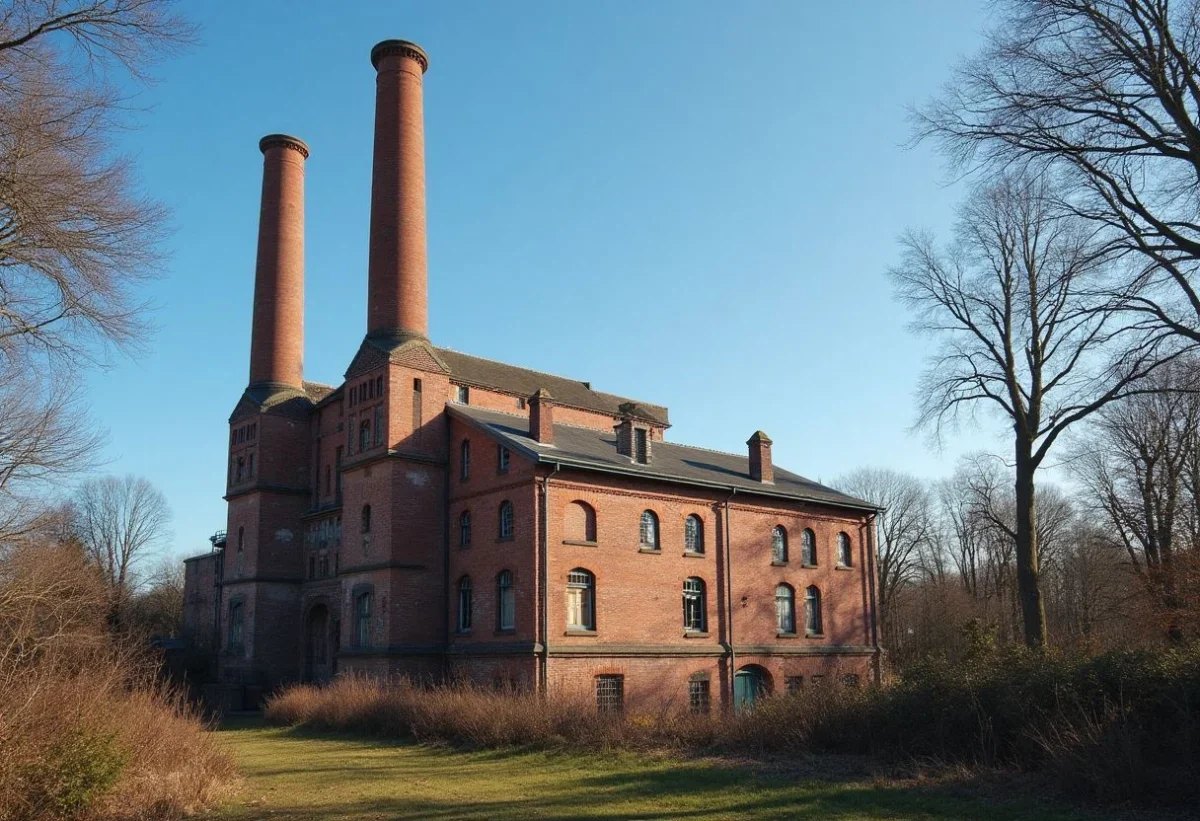
The concept of heritage is deeply rooted in our society, representing much more than a simple accumulation of material goods. It is a collective and personal wealth that transcends generations. By its very nature, heritage embodies not only economic values but also cultural, social, and historical ones. In a constantly evolving world, preserving and understanding one’s heritage becomes a major challenge for individuals and communities.
A cultural legacy: between tradition and modernity
Cultural heritage is a living witness of the past, a reflection of the traditions and customs that have shaped our current society.
Cultural heritage takes many forms, ranging from historical monuments to oral traditions and works of art. Each element tells a unique story, that of peoples and civilizations. The UNESCO World Heritage Sites perfectly illustrate this legacy, allowing future generations to connect with their past. In France, the diversity of monuments and museums testifies to the cultural richness of the country, where each region offers a facet of national history. Yet, modernity imposes new challenges, particularly the preservation of sites in the face of rampant urbanization and climate change. In this delicate balance between tradition and modernity, it is essential to actively engage in the conservation of this heritage to ensure its sustainability.
Economic heritage: a pillar of stability
Beyond cultural aspects, heritage also plays a crucial role in the economy, influencing the stability and growth of societies.
- Income-generating properties and other real estate constitute a significant part of household heritage, providing both financial security and passive income.
- Art objects and private collections, although often perceived as cultural elements, also represent considerable economic value, subject to fluctuations in the art market.
- Family businesses and investments represent another aspect of economic heritage, passed down from generation to generation, ensuring the continuity of economic activities and job creation.
- Managing this heritage requires careful planning and a deep understanding of financial markets. To delve deeper into this topic, discover the various roles of a wealth manager, a key player in the preservation and growth of this economic wealth.
Natural heritage: the invaluable wealth of biodiversity
Natural heritage, often overlooked, is nevertheless an essential part of our collective heritage, enriching our environment through its biodiversity.
National parks, nature reserves, and protected landscapes embody this invaluable heritage. These preserved spaces host an exceptionally rich fauna and flora, contributing to the regulation of our ecosystem and our well-being. However, in the face of increasing pressures from urbanization and resource exploitation, it becomes imperative to strengthen protection and promotion measures for this heritage. Collective awareness and citizen engagement play a decisive role in safeguarding our natural heritage, thus ensuring that future generations can benefit from these natural riches.
The educational and social role of heritage
Beyond economic and cultural dimensions, heritage also plays an educational and social role, contributing to cohesion and collective identity.
Museums, libraries, and other cultural institutions participate in educating citizens by providing access to knowledge and history. They serve as places for exchange and sharing, fostering intergenerational and intercultural dialogue. Heritage, as a vector of collective memory, strengthens the sense of belonging to a community while encouraging respect and understanding of cultural diversities. Through educational initiatives and community projects, heritage becomes a powerful tool for forging a common future, drawing on the lessons of the past.
The preservation and enhancement of heritage appear as fundamental challenges to ensure a sustainable legacy for future generations. Every aspect of heritage, whether cultural, economic, natural, or social, contributes to shaping our current society and defining our future.