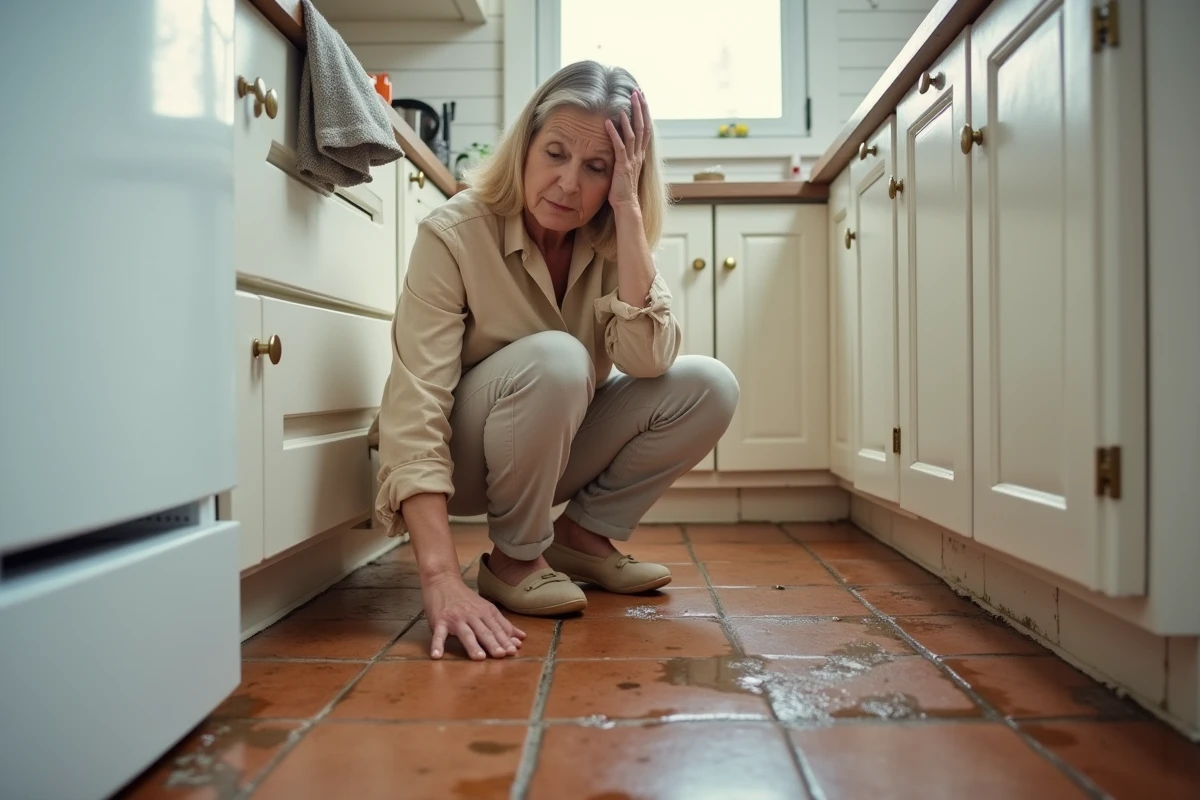
The water damage guarantee is included in almost all home insurance contracts, but its actual scope varies according to the specific conditions. Policyholders often discover the limits of their coverage at the time of the claim, due to not having read the exclusion clauses and specific caps.
Understanding what this guarantee actually covers requires examining three technical points often absent from public presentations: reclassification due to lack of maintenance, capped ancillary costs, and the compensation mechanism based on actual value.
Maintenance Default Clause: The Insurers’ Reclassification Leverage
Recent contracts include increasingly detailed clauses regarding the condition of installations. The objective is clear: to allow the insurer to reclassify a claim as a maintenance default to limit or deny compensation. This trend responds to the increase in low-value but repeated claims, which degrade the overall claims experience of portfolios.
In practical terms, a leak from an old bathtub seal or a corroded pipe that has never been replaced may fall under this reclassification. The contract often requires the policyholder to demonstrate regular maintenance of their plumbing installations and water-using appliances.
We recommend systematically keeping invoices for plumber interventions and quotes for replacing seals or hoses. In the absence of these documents, the expert appointed by the insurer has a strong argument to invoke obsolescence.
To learn everything about the water damage guarantee and its contractual specifics, one must prioritize examining the specific conditions, not the general conditions which remain deliberately broad.
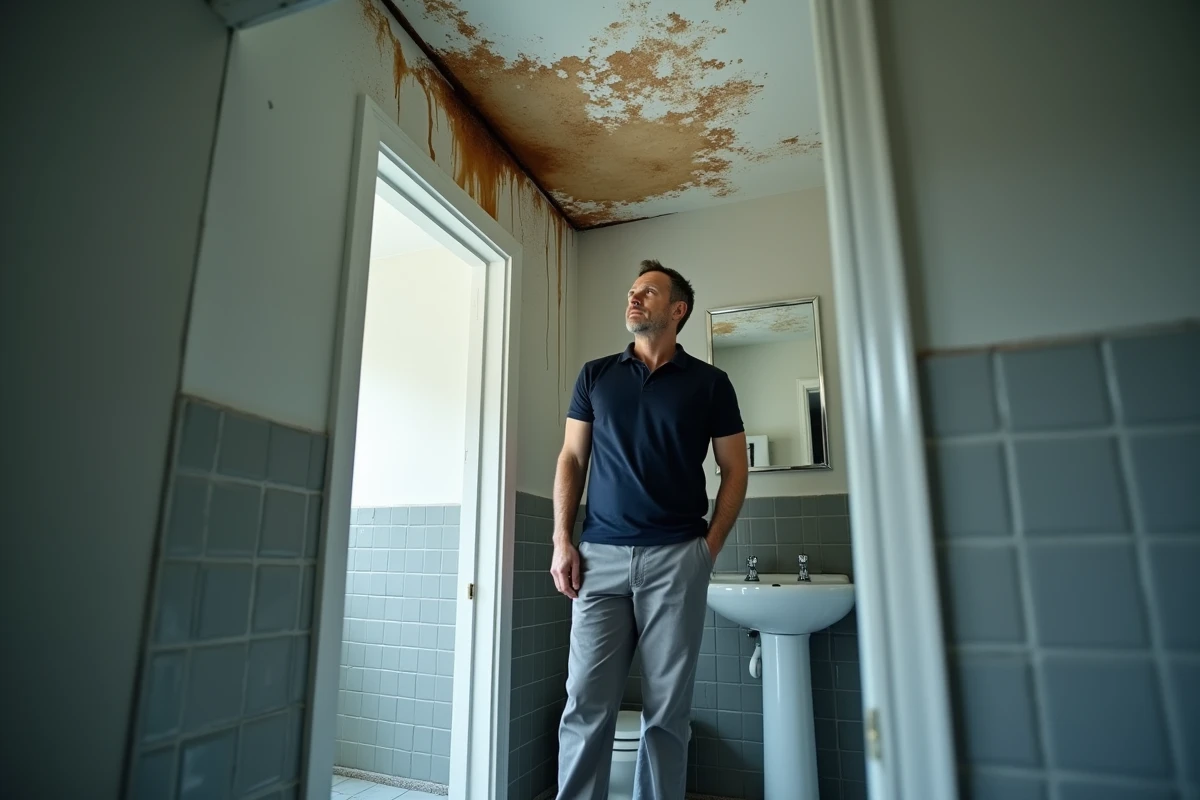
Ancillary Costs Covered by the Home Insurance Contract: Leak Detection, Compliance, Temporary Relocation
Beyond repairing visible damage (walls, floors, furniture), some contracts provide coverage for costs that most policyholders are unaware of. These extensions are still framed by dedicated caps and specific exclusions.
- Destructive leak detection: when it is necessary to demolish a healthy part of the home (partition, tiling, false ceiling) to locate the faulty pipe, the contract may cover the demolition and reconstruction, within a limit often distinct from that of the main damages.
- Compliance: if the leak reveals a plumbing network or electrical installation that does not comply with current standards, some insurers cover the work to bring it up to code, not just the repair to the same standard.
- Temporary relocation: when the water damage makes the home uninhabitable, the guarantee may fund accommodation. Recent contracts tend to extend the covered duration, but this extension remains capped in amount and number of nights.
These ancillary guarantees do not appear in the standard presentation of water damage coverage. They are included in options or specific endorsements. Checking the caps for each item separately avoids unpleasant surprises during settlement.
Water Damage Compensation: Actual Value or Replacement Value
The method of calculating compensation is the technical point that generates the most disputes. Two mechanisms coexist depending on the contracts.
Actual value with depreciation coefficient
This is the default mode in the majority of contracts. The insurer applies a depreciation deduction on each damaged item. A sofa purchased several years ago will be compensated at a fraction of its purchase price. Depreciation sometimes reduces compensation by half or more on older furniture.
Replacement value option for renovated homes
Some recent contracts offer better compensation conditions for energy-renovated homes or those with recent installations. The “replacement value” option removes or limits the depreciation coefficient, which radically changes the amount reimbursed for the same claim.
This option incurs a cost on the annual premium. We observe that it is particularly justified for owners who have invested in recent renovations, where replacing with identical items would represent a significant expense.
Classic Exclusions from the Water Damage Contract: What Is Never Covered
Insurers systematically exclude several types of damage, regardless of the chosen formula.
- Infiltrations due to chronic lack of maintenance: unrepaired roofs, long-degraded window seals, blocked gutters. The “sudden and accidental” nature of the claim is the sine qua non condition for coverage.
- Condensation: mold and damage related to a lack of ventilation do not fall under water damage.
- Repair costs of the installation that caused the claim: if a washing machine hose breaks, the insurer compensates for the damage caused by water on the floor and walls, but not for the replacement of the hose itself.
This last exclusion is the least known. However, it appears in the general conditions of most insurers, as noted by the Service-public.fr website.

Reporting Water Damage Claims: The Five-Day Deadline and Its Consequences
The reporting deadline is set at five working days from the knowledge of the claim. This deadline is not a recommendation; it is a contractual obligation. Exceeding it may result in a reduction of compensation or even a denial if the insurer demonstrates harm related to the delay.
The amicable report for water damage remains the reference document when multiple parties are involved (neighbors, co-ownership). It must be filled out jointly and sent to each insurer involved.
Photographing the damage before any cleaning or emergency repair intervention is a reflex that should not be neglected. The expert appointed by the insurer relies on this visual evidence to assess the amount of damages, especially when the intervention occurs several weeks after the report.
The home insurance contract covers water damage in a much more nuanced way than suggested by insurers’ product sheets. The difference between correct compensation and disappointing reimbursement almost always lies in the specific conditions, caps per item, and the method of calculating depreciation. Rereading these clauses before the claim remains the only truly effective precaution.