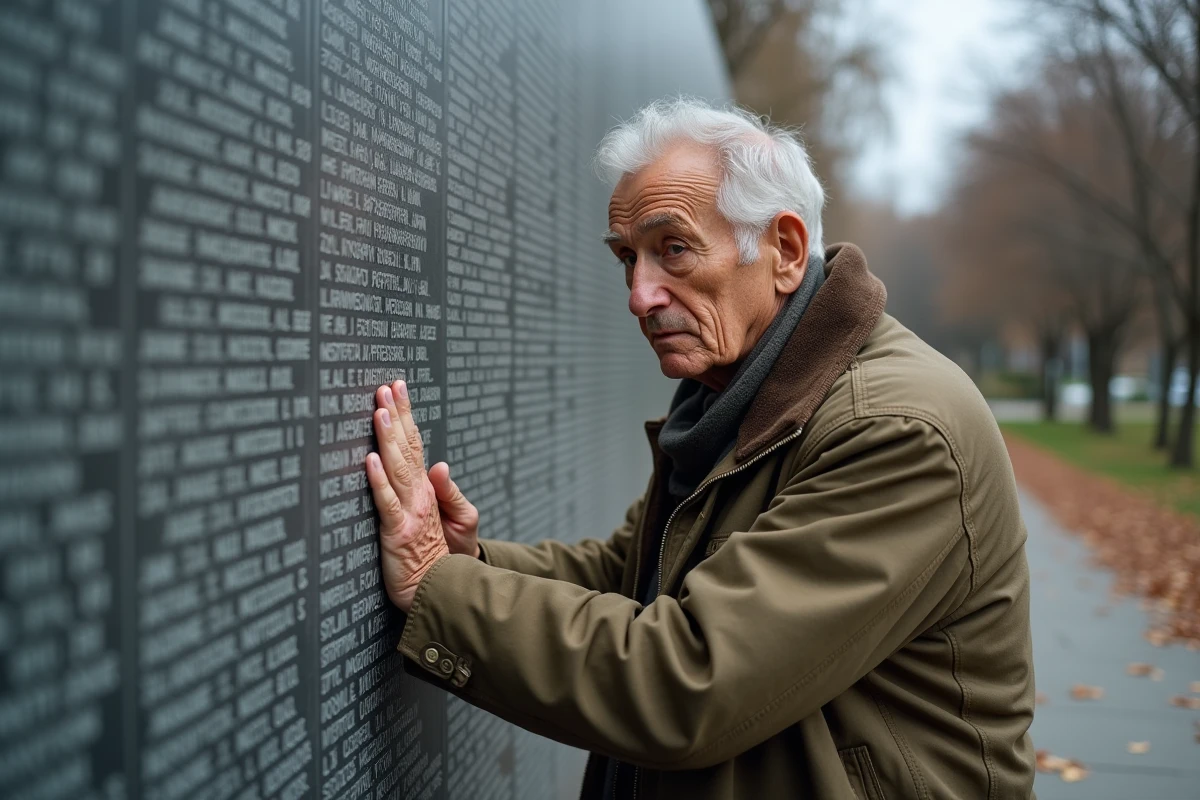
No treaty has ever been sufficient to prevent the repetition of large-scale massacres. Even the most technologically advanced societies have not escaped the deadliest conflicts. Some battles, deemed decisive, ultimately only served to hasten new tragedies and to permanently transform the economy, politics, and society of the countries involved.
The brutality of the numbers contrasts with the persistence of myths about the rationality or brevity of confrontations. The human, material, and ideological consequences of these conflicts continue to shape international relations and collective memory.
Understanding the Scale of the Deadliest Wars: Numbers, Contexts, and Human Stakes
War never stops at a simple timeline or the coldness of a toll. Each time, it tears societies apart, disrupts lives, and leaves indelible marks on families and cities. Millions of deaths punctuate the history of these extraordinary confrontations, mixing civilians and soldiers in the same misfortune. When one looks at the Second World War, the shock comes not only from the number, 60 to 80 million missing, but from how this disaster reorganized geopolitics, transformed mindsets, and accelerated scientific and cultural changes.
The ranking of the deadliest wars reveals a constant: the same mechanisms repeat, between the rise of nationalisms, the collapse of balances, and the inability to defuse the fatal spiral. The First World War, with its trenches and massive assaults, claimed more than 18 million lives, primarily young people, brutally torn from their daily lives. On the battlefields, modernity imposed itself through an unprecedented industrialization of death.
To better grasp the impact of these confrontations, here are some concrete benchmarks:
- Armed conflicts: From ancient China to the Mongol invasion, through the Napoleonic Wars, each episode combines unprecedented strategies, fragile alliances, and collective fervor.
- Deadliest battles: Stalingrad, the Somme, Verdun, these names resonate as the very symbol of massive human sacrifice.
These traumas nourish the collective memory. Studying these wars also questions the ability of societies to heal their wounds, to pass on the lessons of the past, and to envision a future where these horrors do not repeat.
What Events Marked History: Focus on Dien Bien Phu, the Third Reich, and Other Major Conflicts
In the second half of the 20th century, France, already scarred by two World Wars, faces another disaster with Dien Bien Phu. This name remains etched in memory: in 1954, the French army surrounded succumbs to the forces of the Viet Minh. The defeat leads to the end of French presence in Indochina, marking the beginning of a profound colonial upheaval. Withdrawal becomes imperative, and Asia ignites in turn.
Europe, for its part, bears the indelible mark of the Third Reich. The Second World War ravages the continent. From one end to the other, from Paris to Warsaw, from Stalingrad to Berlin, millions of men, women, and children suffer occupation, terror, exile, or execution. The fall of the Reich in 1945 does not erase the suffering: destroyed cities, divided countries, populations marked for life. The consequences of the world war extend through the agreements signed in Versailles or Paris, the redrawing of borders, and the emergence of new geopolitical tensions.
To better understand the imprint of these significant episodes:
- First World War: the mobilization of an entire generation, the violence of the trenches, a drained France, a Europe shaken for decades.
- Second World War: extermination, resistance, collaboration, reconstruction efforts, each aspect permanently shapes the continent.
These major conflicts redraw the map of the world, break families, displace peoples, and impose choices that shape the future. History remembers these moments of rupture, where war leaves behind only silence and uncertainty.

To Deepen: Essential Readings and Reflection Paths on the Legacy of Wars
The tens of millions of victims recorded in the history of wars are not enough to measure the extent of the upheaval experienced by humanity. With each conflict, a generation of children grows up in uncertainty, entire societies recompose, and the collective narrative is built in pain. The stories of the Great War and the Second World War continue to traverse classrooms and libraries, but the reflection on their legacy continues to expand.
Consider the decisions of the United Nations after armed conflicts, discussions on the mental health of victims, or the transmission of trauma across generations. Researchers scrutinize the impact of civil wars in Laos, in Vietnam, or the aftermath of bombings, such as in Nagasaki. The accounts of survivors from Pearl Harbor, the words of veterans, all contribute to a profound reflection on ethical dilemmas, reconstruction, and even the possibility of forgiveness.
To explore these questions, several resources are essential:
- Historical works, in-depth analyses, exhibitions, documentaries, each medium sheds light on a facet of war, its context, and its consequences.
- The war years still permeate today’s public policies and humanitarian actions.
Through the eyes of witnesses and researchers, the understanding of the deadliest battles continues to shape our view of human history. It is up to each individual to measure what the collective memory transmits, and how it illuminates, or obscures, the path of societies in search of peace.