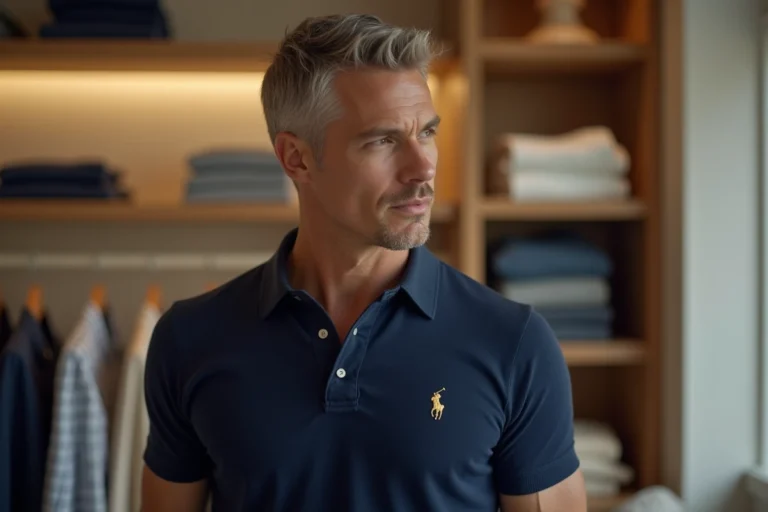
A cotton t-shirt, jeans made from recycled fibers, a pair of sneakers with soles made from natural rubber: committed fashion is no longer limited to a unique style. It encompasses choices of materials, manufacturing, and consumption that profoundly change the wardrobe. Understanding these styles allows for purchases that align with one’s values without sacrificing style.
Digital textile passport: what European regulation changes for consumers
Clothing labels often remain vague about the actual origin of fibers. The European regulation on the eco-design of sustainable products provides a concrete tool to address this: the digital product passport.
This passport will gather the exact composition, the origin of materials, reparability, and recycling methods of a garment. Textiles are among the priority sectors of the European work plan. The specific delegated act for clothing has not yet been published, and no firm application date is set at this time.
For consumers, this system will change the game. Comparing two linen jackets will become possible based on verifiable data, rather than mere marketing claims. Among the trends proposed by La Télé de Gauche, this traceability requirement is already influencing brands that voluntarily publish their production data.
Traceability now relies on the quality of data, not on brand messaging. Claims regarding recycled materials or environmental footprints can be compared from one brand to another.

Sustainable materials and recycled fibers: the pillars of a responsible wardrobe
The choice of fabric determines the majority of a garment’s environmental impact. Two main families dominate committed fashion today.
Natural fibers grown responsibly
Organic cotton, European linen, and hemp form the basis of sustainable collections. These materials consume fewer resources than their conventional counterparts. Their physical durability also allows pieces to be kept longer.
Recycled and upcycled materials
Some brands transform plastic bottles into recycled polyester or recover textile scraps to create new fibers. Upcycling goes further: it reuses an existing garment to make another, without going through the shredding process.
Here are the criteria to check before buying a garment presented as sustainable:
- The precise composition is listed on the label, with the actual percentage of recycled or organic fibers (and not a vague mention like “eco-designed”)
- The place of manufacture is indicated, allowing for verification of the consistency between the “short circuits” discourse and the geographical reality
- The certification is identifiable (GOTS for organic cotton, GRS for recycled, Oeko-Tex for the absence of harmful substances)
Ban on destroying unsold goods: a turning point for brand practices
Since 2026, large companies have been banned by European law from destroying their unsold clothing and footwear. This measure forces brands to rethink their stock management.
Producing less but better becomes a legal obligation, no longer just a commercial argument. Capsule collections (limited series of coordinated pieces) are gaining ground. They allow for reduced volumes while offering a coherent style.
For consumers, this change translates into more streamlined collections. Fewer references on the shelves, but pieces designed to last several seasons. The minimalist style is no longer a stance: it responds to a production logic constrained by law.
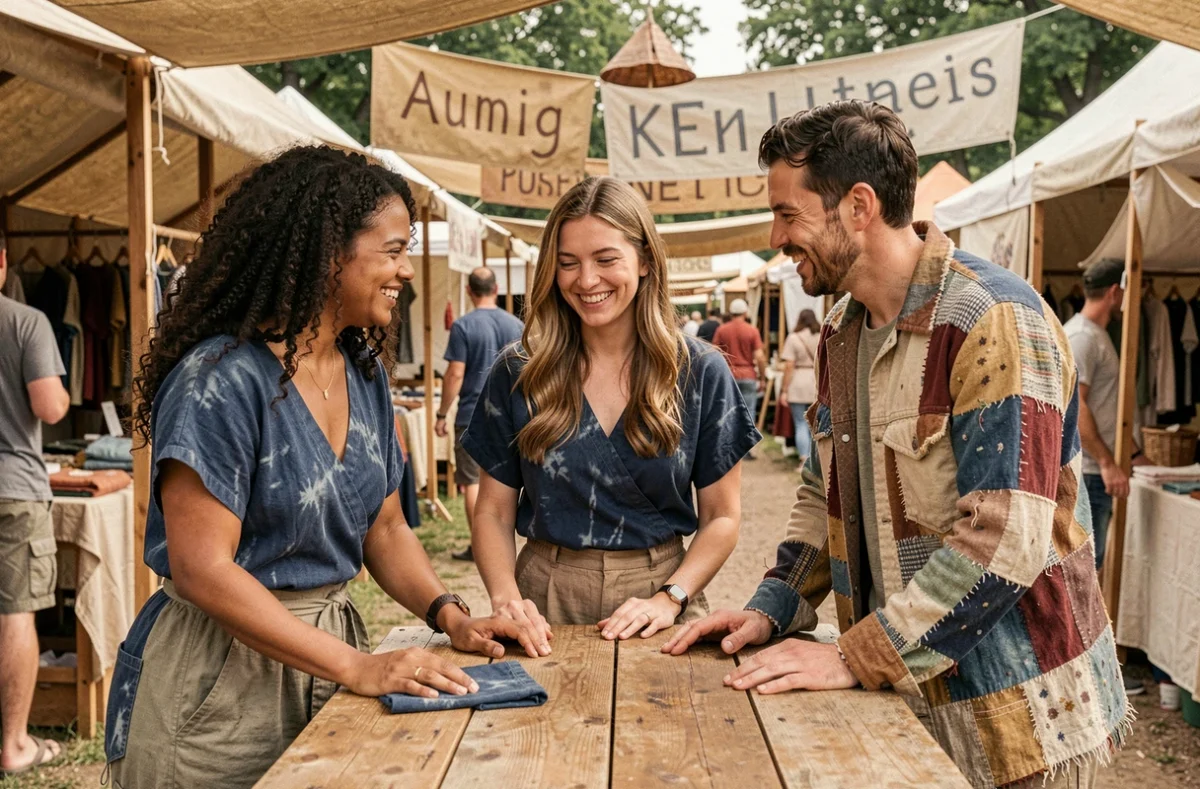
Circular fashion and second-hand: adopting a committed style every day
Circular fashion is based on a simple principle: each garment is designed to have multiple lives. This includes resale, repair, and donation.
Second-hand is no longer just about vintage thrift stores. Specialized platforms offer designer pieces, basics in excellent condition, and verified accessories. The committed style effortlessly incorporates this dimension.
Building a responsible wardrobe methodically
Embracing committed fashion does not require replacing everything at once. A gradual approach works better:
- Identify the most worn pieces (jeans, t-shirts, jackets) and prioritize replacing them with durable versions when they wear out
- Favor neutral colors and classic cuts for basics, so they can withstand trends without becoming outdated
- Reserve statement pieces (prints, bright colors, original cuts) for second-hand purchases, where the reduced price allows for experimentation without waste
- Properly maintain your clothes: wash at low temperatures, air dry, repair small tears before they worsen
The committed style is not recognized by a particular aesthetic. A Scandinavian minimalist wardrobe, a raw workwear look, or a colorful silhouette can all be based on responsible materials and ethical production. Commitment is reflected in the manufacturing, not in the cut.
The coming years will see European regulation make these practices clearer for consumers. The digital textile passport, the ban on unsold goods, and the rise of second-hand will shape a landscape where committed fashion becomes the norm rather than the exception.